
Beyond the Classics: How Luftgekühlt 2026 in Tokyo Signals a New Era for Automotive Culture and Urban Events
Beyond the Classics: How Luftgekühlt 2026 in Tokyo Signals a New Era for Automotive Culture and Urban Events
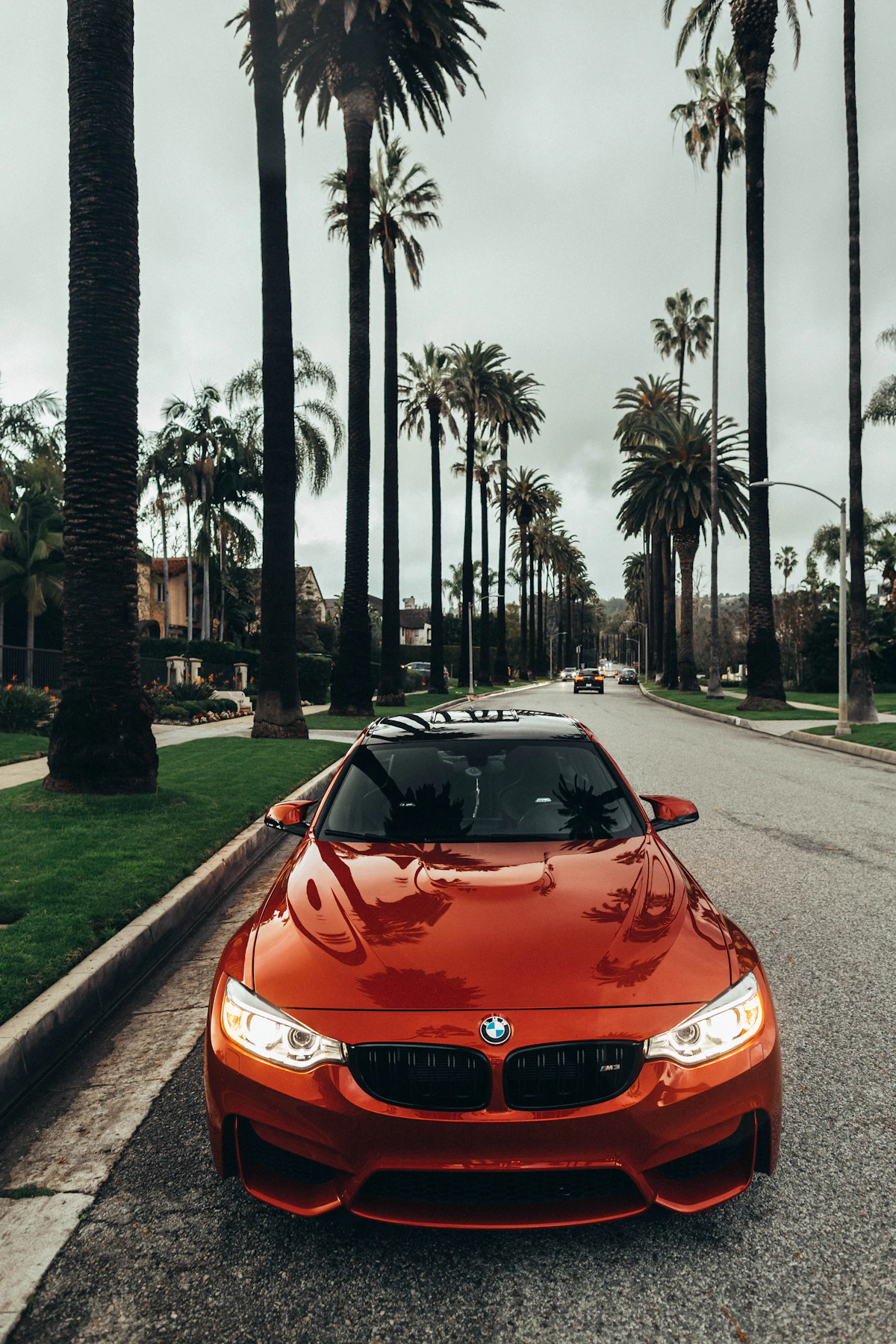
*Image: A conceptual representation of the Luftgekühlt event on the Tokyo Metropolitan Expressway.*
Introduction: The Spectacle on the Shutoko – More Than Just Cars
In 2026, the Luftgekühlt event was held in Tokyo, Japan, featuring classic Porsche vehicles (Source 1: [Primary Data]). The operational fact that distinguishes this iteration was the closure of a portion of the Tokyo Metropolitan Expressway, a critical public traffic artery, for the private display and movement of these automobiles (Source 1: [Primary Data]). This action transcends the classification of a conventional car show. It represents a landmark achievement in cultural logistics and urban negotiation. The event signifies a strategic convergence where heritage branding, urban diplomacy, and experiential luxury intersect to create a new template for high-value gatherings.
The Core Axis: The Economics of Nostalgia and Exclusive Access
The Luftgekühlt platform operates on a refined economic logic. It functions as a premium marketing instrument that systematically elevates the cultural and financial value of classic, air-cooled Porsche models. This elevation directly reinforces the modern Porsche brand's luxury status and supports the residual values of its entire product lineage, both historical and contemporary. The business model is predicated on manufactured scarcity and impossible access. By securing an invite-only event on a normally inaccessible piece of iconic infrastructure, the organizers create a Veblen good effect. The exclusivity of the experience—the closed highway itself—becomes an intrinsic component of the product being celebrated, thereby fueling demand across the broader Porsche ecosystem, including new vehicle sales, restoration services, and legacy parts supply.
Slow Analysis: Decoding the Tokyo Choice – A Strategic Deep Dive
The selection of Tokyo as the host city was a calculated strategic decision. It leveraged Japan's deep-seated cultural appreciation for meticulous craftsmanship, or *takumi*, and its status as a global epicenter of curated subcultures, including its own revered automotive scene. The regulatory permission to close the Shutoko (Tokyo Metropolitan Expressway) constitutes a significant precedent. This action reveals a deliberate strategy by Japanese authorities to attract high-value, low-impact tourism and position the city as a willing stage for exclusive global brand spectacles. The long-term implication is the potential establishment of a template. The event demonstrates a proof-of-concept for the temporary takeover of symbolic urban infrastructure, potentially paving the way for a new global circuit of mobile, ultra-exclusive luxury experiences in other megacities competing for similar economic and cultural attention.
The Deep Entry Point: Urban Space as a Luxury Commodity
The underlying narrative of Luftgekühlt 2026 is the temporary transformation of public infrastructure into a privatized luxury commodity. The event highlights a growing trend where iconic, functional urban landscapes are repurposed as experiential backdrops. This "Instagrammable Infrastructure" trend increases an event's perceived value by utilizing normally inaccessible or frenetic locations as serene, controlled environments. The analysis centers on the negotiation of this access: the beneficiaries include the brand, event attendees, and the city's profile, while the costs and regulatory scrutiny are absorbed as part of a larger trade-off for global prestige and targeted economic stimulus. This model represents a sophisticated form of placemaking, where a city's most utilitarian assets are temporarily reimagined as stages for commercial storytelling.
Conclusion: A New Model for Experiential Capital
The Luftgekühlt 2026 event in Tokyo establishes a new benchmark for experiential marketing within automotive culture and beyond. It demonstrates a mature phase of heritage asset monetization, where the narrative is no longer confined to the objects themselves but is amplified by their curated environment. The successful closure of the Tokyo Metropolitan Expressway signals to other global cities and luxury brands that such feats are negotiable, given aligned economic and cultural incentives. The predictable trend is an increase in similar high-value, temporary takeovers of iconic urban spaces, as cities compete to offer not just venues, but unforgettable, authoritative backdrops for the world's most exclusive commercial and cultural gatherings. The event is less a conclusion and more a prototype for the future of urban event strategy.