Beyond the Party: The Strategic Business Model of Ibiza's Hotel Ecosystem
Beyond the Party: The Strategic Business Model of Ibiza's Hotel Ecosystem
Introduction: Decoding the Ibiza Hotel Blueprint
The standard analysis of Ibiza’s hotel sector typically catalogs properties by star rating and proximity to nightclubs. A more rigorous audit, however, reveals a sophisticated operational blueprint. Ibiza functions as a microcosm of extreme hospitality challenges: a hyper-seasonal market compressed into approximately 100 peak days, coupled with intense competition for a high-value clientele. Within this context, hotel amenities—from 24-hour pools to exclusive nightlife access—are not merely decorative features. They are core components of a revenue and retention strategy designed to maximize guest lifetime value within a controlled ecosystem. This analysis decodes the economic logic underpinning Ibiza’s hospitality landscape.
The Amenity as Revenue Engine: A Deep Audit of Poolside & Nightlife Economics
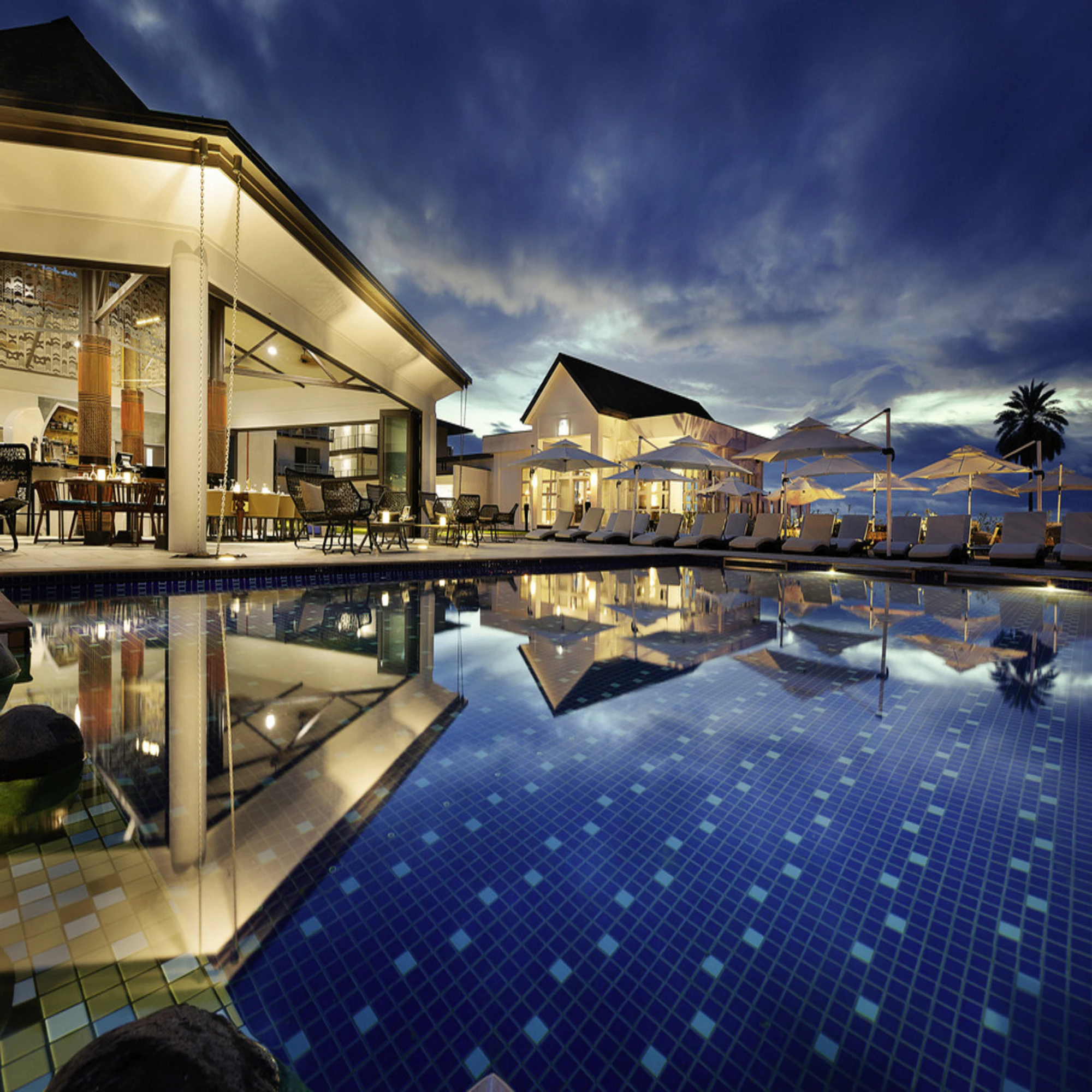
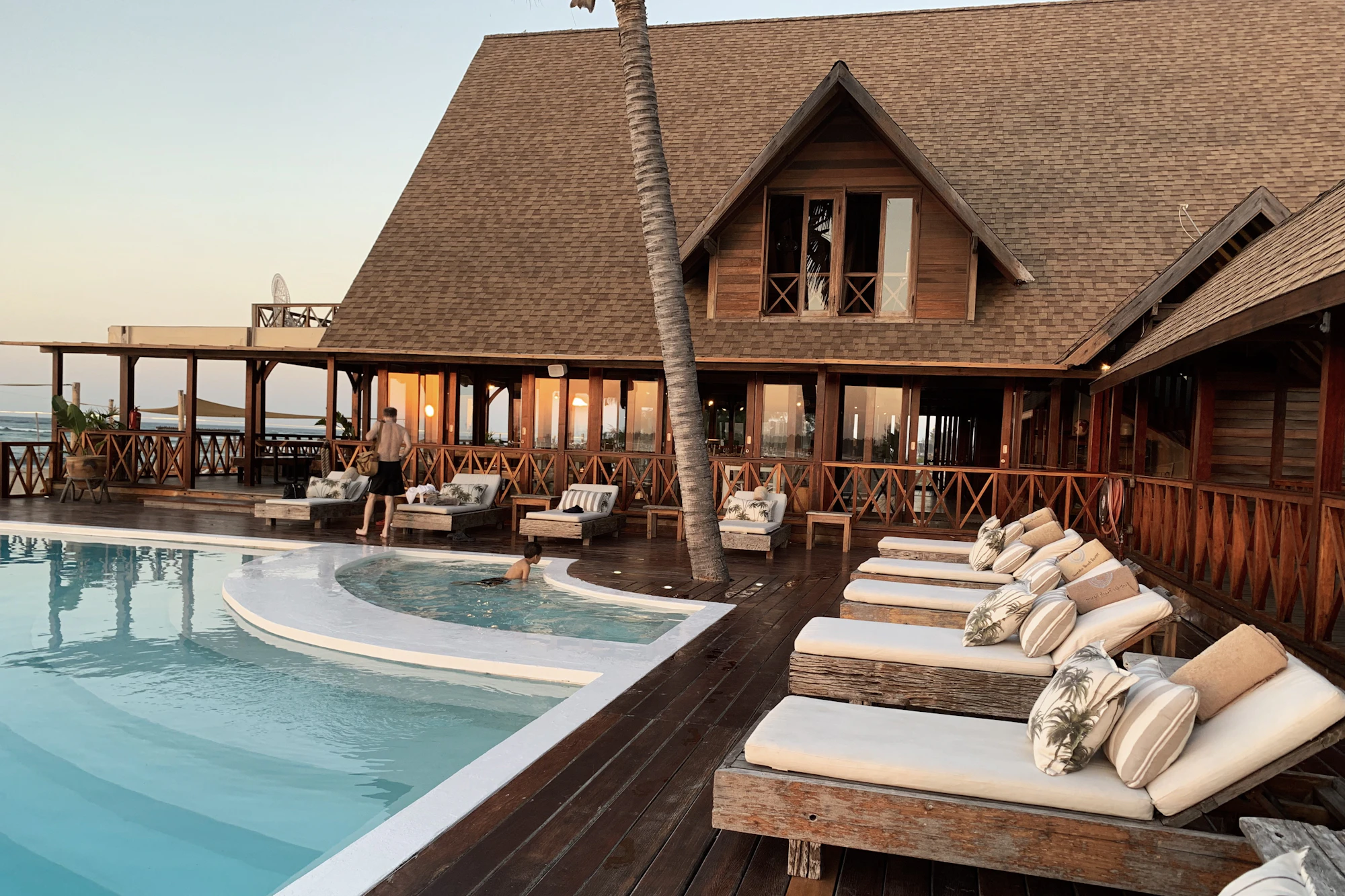
The operational design of premium Ibiza hotels is engineered to capture and retain guest expenditure. The proliferation of the "24-hour poolside" concept is a primary example. By transforming a daytime amenity into a night-time venue with DJs, ambient lighting, and dedicated service, hotels accomplish two objectives. First, they extend revenue-generating operations, blurring the line between day and night to capture spending that would otherwise migrate to external beach clubs. Second, they minimize guest outflow, keeping expenditure within the property’s profit centers.
This principle of closed-loop spending is amplified through strategic nightlife partnerships and in-house events. Hotels no longer simply provide shuttle services to major clubs; they curate exclusive parties on-site or secure VIP table allocations at external venues. This model allows the hotel to capture a share of the high-margin nightlife spend directly or through packaged offerings, while simultaneously offering guests perceived value through exclusivity and convenience. More critically, it ensures a degree of safety and control for the operator, anchoring the guest experience to the hotel brand.
The underlying metric driving these decisions is increased on-property dwell time. Every hour a guest remains within the hotel ecosystem represents a direct opportunity for incremental spending on food, beverage, spa services, and retail. Amenities are therefore data-driven in their conception, designed not for passive enjoyment but to actively funnel guests through a curated journey of monetizable touchpoints.
Combating Seasonality: The Long-Term Strategy Behind the Glossy Facade
The strategic deployment of premium amenities serves a critical long-term function: mitigating the severe financial volatility induced by seasonality. Investment in high-quality, non-party-specific infrastructure—such as world-class spas, thermal circuits, fine-dining restaurants, and yoga decks—is a calculated move to justify year-round pricing and attract a broader demographic. This represents a deliberate shift from a "party hostel" dependency to a "lifestyle resort" model.
By cultivating an appeal based on wellness, gastronomy, and luxury design, hotels can target affluent travelers outside the peak summer season, including conference groups and wellness retreats in the spring and autumn months. This diversification acts as a hedge against the volatility of pure clubbing tourism. The amenity portfolio is, in effect, a tool for audience expansion and risk management. It enables operators to maintain higher baseline occupancy and average daily rates (ADR) during shoulder periods, smoothing revenue curves and improving asset valuation.

Verification & Market Context: Sourcing the Trends
The observed strategic shift is corroborated by market data. Reports from the Ibiza Island Council Tourism Department highlight the acute concentration of activity, with summer monthly arrivals often exceeding winter arrivals by a factor of ten or more (Source 1: [Primary Data, Ibiza Tourism Statistics]). This imbalance creates immense pressure to maximize revenue per available room (RevPAR) during the short peak.
Furthermore, analyses from global hospitality consultancies such as HVS and CBRE consistently identify a strong correlation between investment in "experiential" amenities and premium pricing power, noting a higher return on investment compared to traditional room-only upgrades (Source 2: [Secondary Analysis, Hospitality ROI Studies]). This trend is not isolated to Ibiza but is particularly pronounced there due to market conditions. When contextualized within broader Mediterranean luxury travel trends, Ibiza’s model emerges as an accelerated and more intense version of a global movement towards holistic, destination-within-a-destination hotel experiences.

Conclusion: The Future of the Curated Destination Experience
Ibiza’s hotel ecosystem operates as a leading laboratory for hospitality innovation under constraints. The model demonstrates a clear evolution: the hotel is transitioning from a passive base of operations to the central, curated event itself. The strategic integration of amenities creates a commercial ecosystem designed to capture the total guest journey.
For investors and operators, the key takeaway is that amenity strategy is now central to hotel valuation, directly impacting RevPAR, guest loyalty, and brand equity. The future trajectory points toward deeper technological integration, using single-interface applications to seamlessly manage room controls, experience bookings, and payments, further tightening the closed-loop spending system. In advanced experience economies, the most successful properties are those that understand their role not as landlords of space, but as architects of controlled, high-margin experiential worlds.