
Beyond the Park Gates: How Accommodation Trends Near Badlands National Park Reveal a Shift in Modern Tourism
Beyond the Park Gates: How Accommodation Trends Near Badlands National Park Reveal a Shift in Modern Tourism
Introduction: More Than a Bed – Decoding the Lodging List
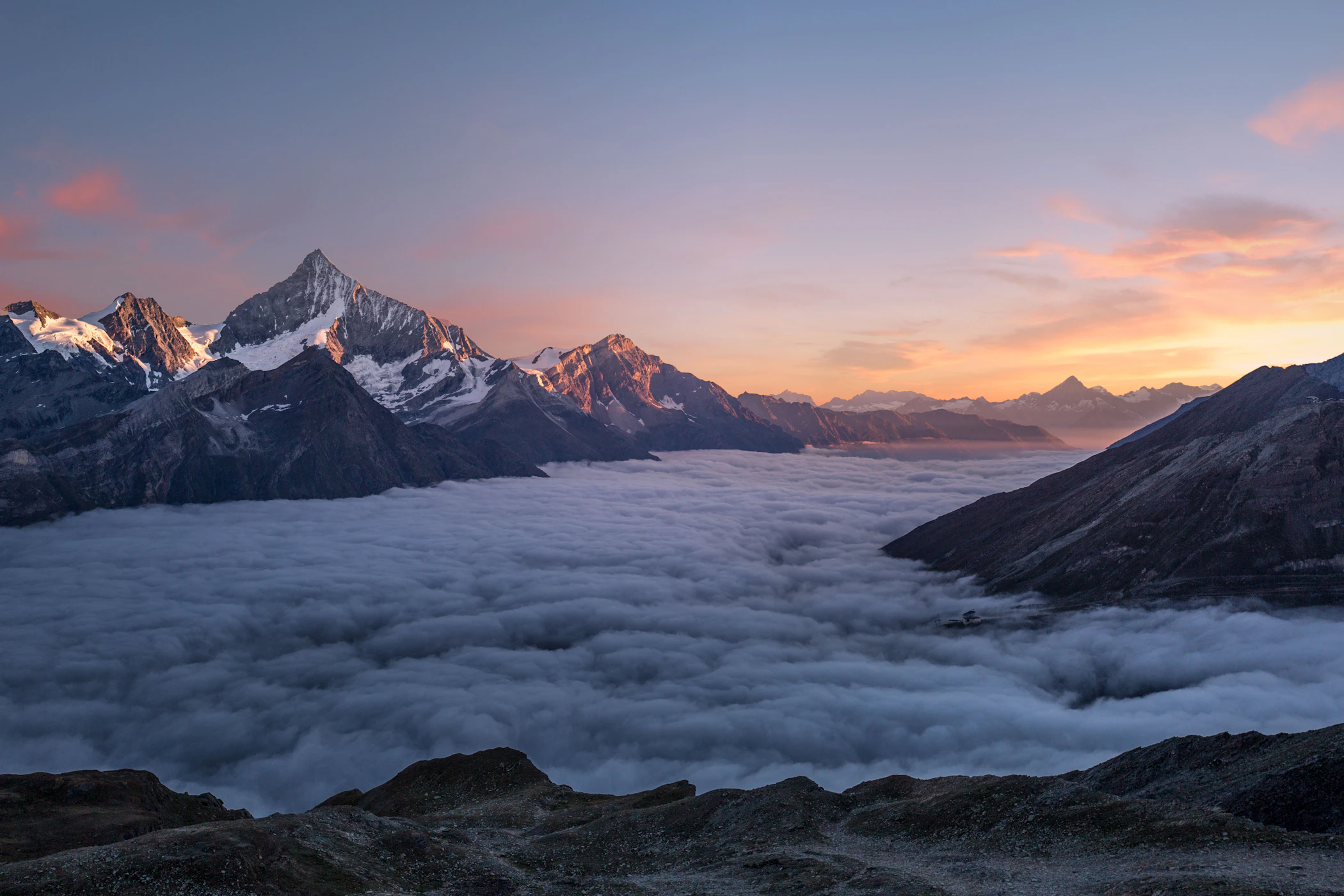
A recent gallery article presented a list of seven places to stay near Badlands National Park, with features including nature views, stargazing, and wildlife spotting (Source 1: [Primary Data]). On its surface, this is a utilitarian guide for trip planners. Analytically, however, it functions as a discrete data set revealing the operational priorities of the contemporary tourism market. The highlighted features are no longer peripheral amenities; they constitute the core product being sold. This micro-trend in South Dakota serves as a precise case study for a macro shift: the maturation of the experience economy within nature-based tourism, where raw, proximate wilderness is systematically commodified.

The Core Axis: The Economics of the 'Dark Sky' and the 'Wildlife View'
The market logic underpinning the listed accommodations is one of premium access. Attributes like "nature views" and "stargazing" represent a fundamental economic transition: the conversion of public goods into monetized private experiences. A view of the park's geologic formations or an unobstructed night sky are, in principle, available to any park visitor. Lodgings that guarantee these experiences from a private deck or window command a significant price premium. This is not a market for shelter, but for curated access.
This demand creates a distinct supply chain impact. Architectural design prioritizes orientation and window placement. Land use decisions increasingly value parcels with direct sightlines to park topography. Furthermore, the commercial value of stargazing can catalyze formal conservation partnerships, such as adherence to dark-sky-friendly lighting ordinances that benefit both the tourism product and the ecological integrity of the night environment. The economic rationale for such measures is supported by research; for instance, studies affiliated with the International Dark-Sky Association quantify the tourism and real estate value generated by protected night skies. Similarly, the World Bank has documented the significant revenue streams generated by wildlife-based tourism, validating the market emphasis on "wildlife spotting" as a core lodging feature.

A Dual-Track Market: Catering to the 'Fast' Tourist and the 'Slow' Traveler
The provided list serves a dual analytical function, reflecting a bifurcated market strategy. On one track, it fulfills an immediate "fast analysis" need, offering timely verification of the region's tourism infrastructure for efficiency-driven planners. On a deeper "slow analysis" track, the implied variety within a seven-property list—which logically spans from conventional hotels to potentially more immersive options like lodges or glamping sites—reveals a sophisticated market segmentation.
This segmentation targets distinct consumer profiles: the "fast" tourist seeking convenience and reliable comfort adjacent to the park, and the "slow" traveler prioritizing deep immersion and a perceived authentic connection to the landscape, for which they are willing to pay a higher rate. This ecosystem of accommodation also serves a critical logistical function for park management. By creating a graduated buffer zone of lodging options outside park boundaries, it helps manage and distribute visitor pressure, acting as an unofficial first point of absorption for the tourism influx.
The Unseen Impact: Sustainability, Community, and the Future Landscape
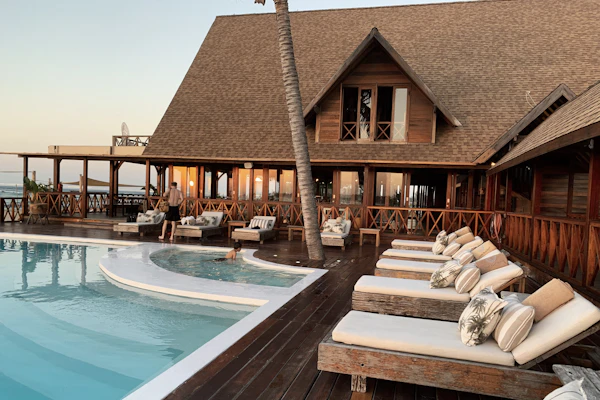
The long-term implications of this trend extend beyond nightly rates. For local communities, the shift toward experience-centric lodging can intensify seasonal economic dependence, potentially inflating local real estate and rental markets, a phenomenon documented in other gateway communities near protected areas. The sustainability paradox becomes acute: the market demands high-comfort, low-impact lodging in a fragile ecosystem like the Badlands. The architectural and operational response to this paradox will define the environmental footprint of this tourism model.
National Park Service reports on visitor spending effects provide a framework for measuring direct economic injection, but they may not fully capture secondary effects like workforce housing shortages or cultural dilution. The future landscape of tourism near protected areas will be shaped by the resolution of these tensions. The market will likely drive further innovation in sustainable construction and off-grid capabilities for remote lodgings. Furthermore, the success of the "curated wilderness" model may lead to increased vertical integration, where lodging providers offer exclusive guided access, further blurring the line between public park and private experience.
Conclusion: The Lodging as Strategic Access Point
The list of seven accommodations near Badlands National Park is a market signal. It indicates that modern tourism, particularly in the context of protected natural landscapes, has evolved from a service industry into an experience-access industry. The listed properties are not merely places to sleep; they are strategically positioned nodes offering tiered access to a commodified wilderness experience. The continued growth of this model will be governed by its ability to navigate the complex interplay of market demand, community integration, environmental sustainability, and the foundational mandate of national parks to preserve unimpaired resources for public enjoyment. The economic logic is clear; the long-term socio-ecological calculus remains an ongoing equation.