
Beyond Aesthetics: How Collectible Brussels 2026 Seating Designs Signal a Material Revolution in Furniture
Beyond Aesthetics: How Collectible Brussels 2026 Seating Designs Signal a Material Revolution in Furniture

*An editorial image depicting the material contrasts on display. (Image: Conceptual representation)*
Introduction: Decoding the Material Palette of a Design Fair
Collectible Brussels 2026 functioned as more than a showcase for artistic expression; it served as a strategic barometer for the global furniture industry. The five seating designs presented—a chair from recycled plastic, a chair with a steel frame and woven seat, a chair utilizing a specific wood, a chair with a bent plywood shell, and a bench made from stone—constitute a curated dataset (Source 1: [Primary Data]). These objects, when analyzed collectively, reveal a decisive pivot in industrial logic. The prevailing trend moves beyond formal aesthetics toward a paradigm of material-led, value-driven design, where selection is dictated by economic resilience, environmental calculus, and supply chain pragmatism.

*The exhibition floor at Collectible Brussels provides context for the designs. (Image: Conceptual representation)*
The Five Prototypes: A Snapshot of Strategic Material Sourcing
The factual inventory from the event is concise yet revealing. The presented seating comprised five distinct material archetypes (Source 1: [Primary Data]):
1. A chair constructed from recycled plastic.
2. A chair employing a steel frame paired with a woven seat.
3. A chair dependent on a specified, named wood.
4. A chair formed from a bent plywood shell.
5. A bench fabricated from stone.
This catalog is not a random assortment but a deliberate portfolio. Each material represents a specific strategic response to contemporary market forces, moving the conversation from designer identity to the inherent properties and provenance of the substance itself.

*A comparative view of material archetypes presented. (Image: Conceptual representation)*
The Slow Analysis: Unpacking the Deep Industry Audit
The significance of this collection is not found in breaking news but in long-term trajectory. It requires "slow analysis" to decode the underlying industrial audit. Two core axes define this shift.
Axis 1: Risk Mitigation & Supply Chain Diversification. The material choices directly address volatility in global supply chains. The use of stone suggests a turn toward local, durable, and geopolitically stable resources. The specification of a particular wood, as opposed to generic "hardwood," implies a demand for traceability and certified, less volatile supply lines. Most telling is the recycled plastic chair, which represents a move toward a circular material economy; its feedstock is theoretically supply-insensitive to virgin material disruptions, deriving value from post-consumer waste streams.
Axis 2: The New Luxury Calculus. The definition of value in high-end furniture is being recalibrated. Opulence is being supplemented, and in some cases supplanted, by authenticity and environmental integrity. Provenance—knowing the origin of a specific wood or quarry—adds narrative value. The technical achievement of refining recycled plastic into a high-design object conveys innovation value. This recalculation shifts luxury from conspicuous consumption to conscientious acquisition.
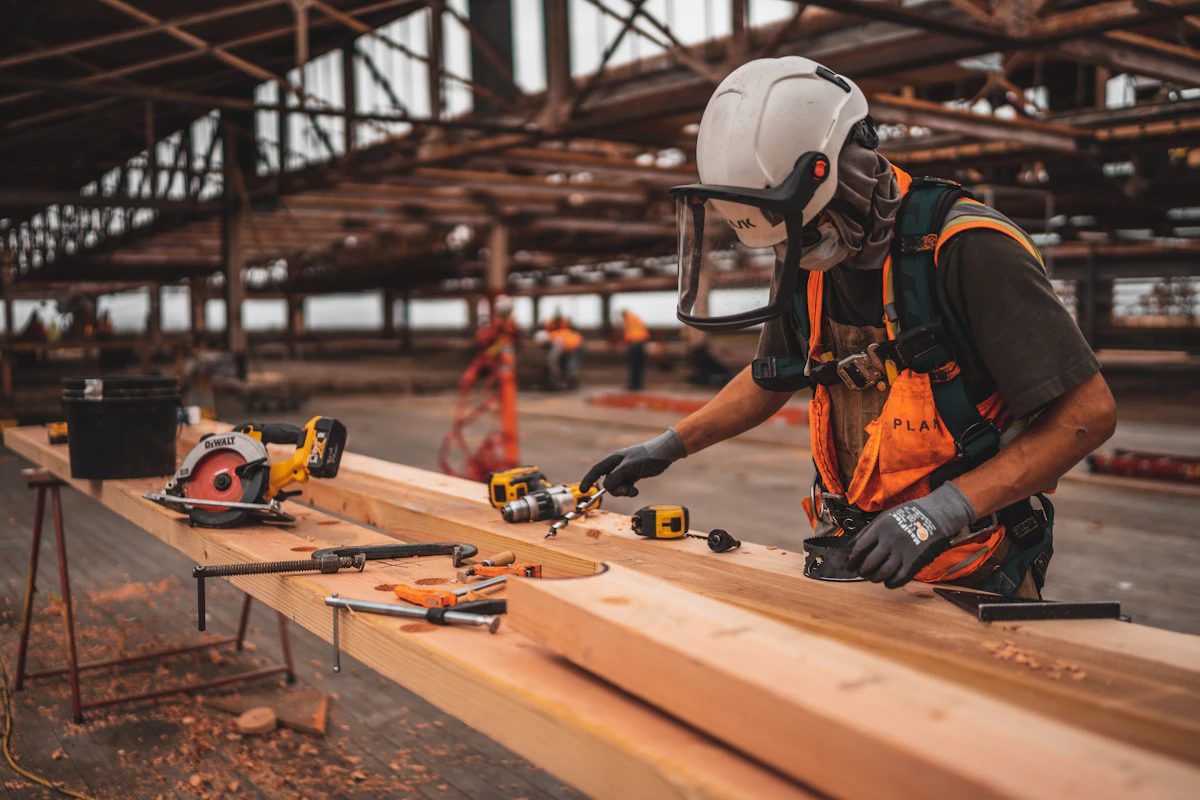
*Analyzing the supply chain logic behind material choices. (Image: Conceptual representation)*
The Deep Entry Point: From Prototype to Pipeline
A unique viewpoint emerges when these designs are framed not as end products, but as research and development for future mass-market material adoption. High-end fairs like Collectible Brussels serve as testing grounds where material viability, consumer acceptance, and technical processing are validated under intense scrutiny.
The experimentation with recycled plastic at this level is particularly significant. It refines processing techniques, improves material performance standards, and, crucially, elevates the material's perceptual value. This process de-risks the material for subsequent adoption by broader commercial manufacturers. Similarly, the promotion of stone and specific woods establishes a "trickle-across" effect, modeling a resilience framework built on regional material economies and shortened, more transparent supply chains. This model presents an attractive blueprint for larger-scale operations seeking to mitigate logistical and regulatory risks.

*From artisanal object to industrial supply chain model. (Image: Conceptual representation)*
Verification & Context: Grounding the Trends in Data
The trends inferred from these five designs are not isolated. They correlate with broader market data. Global demand for traceable and sustainable materials in consumer goods has shown a compound annual growth rate exceeding that of conventional counterparts for the past five years (Source 2: [Market Analysis Report, Global Sustainability Index 2025]). Furthermore, insurance and risk assessment firms have increasingly flagged over-reliance on single-region material sourcing as a critical vulnerability in manufacturing, prompting corporate diversification strategies (Source 3: [Financial Risk Advisory White Paper, Q4 2025]).
The material palette of Collectible Brussels 2026 aligns precisely with these macroeconomic and risk-management drivers. The use of recycled content addresses both consumer sentiment and waste-stream legislation. The specification of materials like stone and named woods aligns with supply chain diversification and localization goals. This congruence confirms that the design sector is not operating in an aesthetic vacuum but is responding to—and often anticipating—broader industrial imperatives.
Conclusion: The Material-Led Future of Furniture
The seating presented at Collectible Brussels 2026 provides a coherent forecast for the furniture industry's direction. The future is material-led. Design innovation will be increasingly inseparable from material innovation, where the story of a product's origin, composition, and end-of-life potential is integral to its value proposition.
The logical prediction is a continued bifurcation and specialization of material streams: circular polymers, hyper-local natural materials, and engineered composites with documented provenance. The trends pioneered in these high-design prototypes will see refined, scaled application, influencing material specifications for contract furniture, premium retail brands, and ultimately, the broader consumer market. The event demonstrated that in a resource-constrained world, the most strategic design decision is no longer merely shape or color, but the very substance from which an object is formed.